
Our programs
Programs for every age, from six weeks to school
Four rooms, each designed around what children need at that age. Your child moves to the next room when they're ready, not on a birthday, and you'll talk it through with us first.
See the roomsBabies · 0–2 years
Discovery
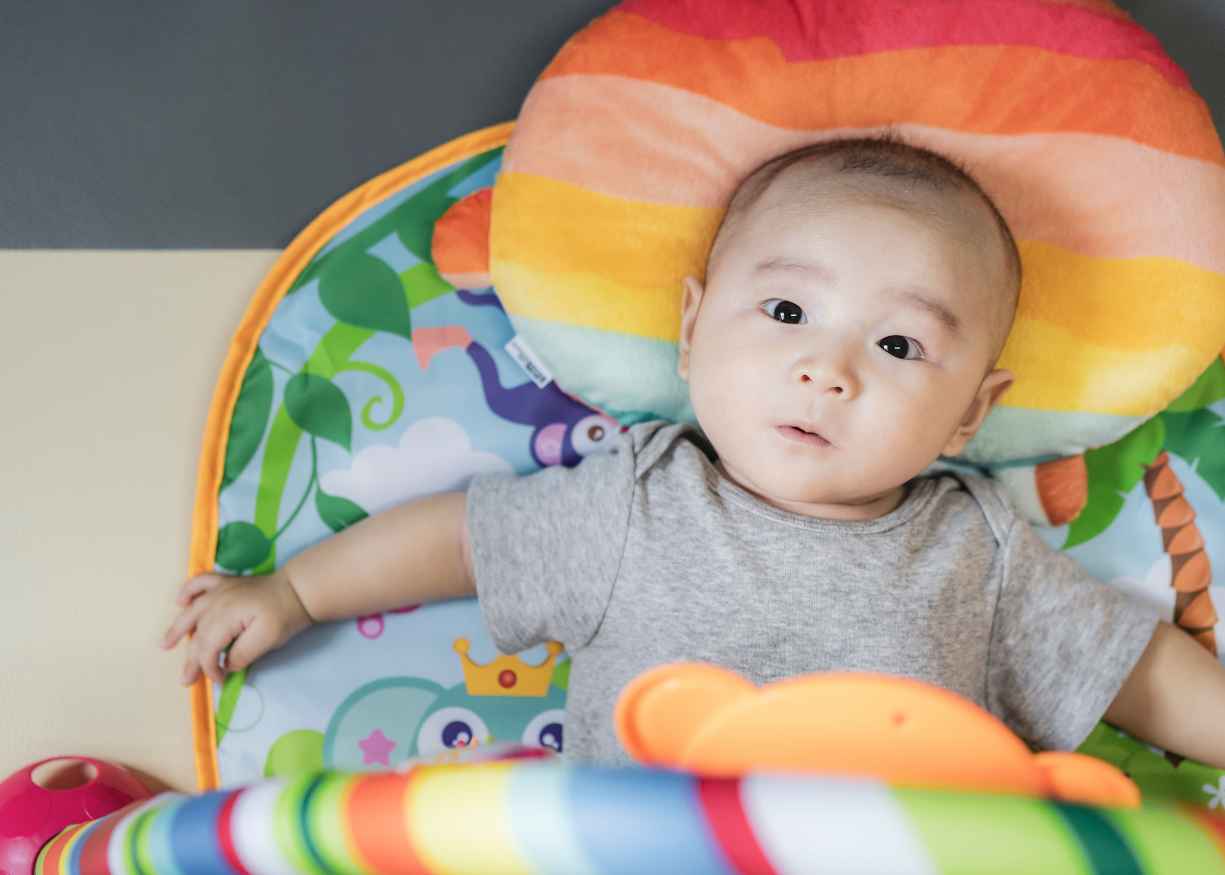
A calm, responsive nursery
In Discovery, care is learning. Feeds, nappy changes and sleep are slow, warm moments between your baby and an educator they know, and each one is a chance to talk, sing and connect. We call this Little Roots.
Your baby keeps their own sleep and feed routines. We follow your baby, not the clock.
A day might include
- Floor play and tummy time with baskets of natural objects to explore
- Songs, rhymes, books and first signs in Auslan
- Time outside on the grass and in the garden
- Unhurried feeds, nappy changes and sleep, at your baby's pace
1 educator for every 4 babies — Victoria's required ratio
Ready to move on when they can:
- Walk confidently
- Feed themselves with growing independence
- Tell us what they need with words or signs
Toddlers · 2–3 years
Pioneers
Where children start to name their feelings
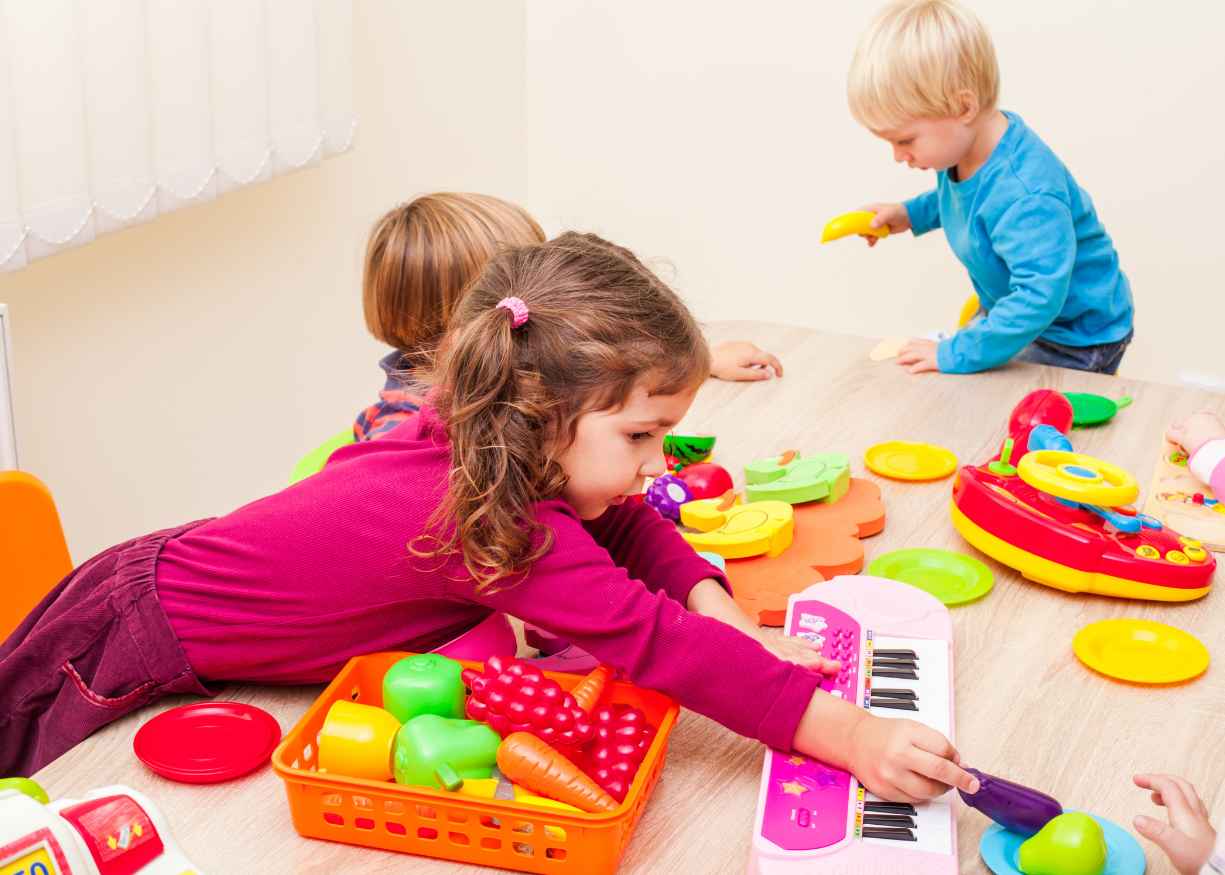
Toddlers have big feelings and not many words for them yet. In Pioneers, children learn to recognise and name what they feel through play, stories and the same simple words our educators use every day. We call this the Feelings Garden.
It's also a time of firsts: first friendships, first small-group times, and lots of "I can do it myself".
A day might include
- Building, pouring, climbing and digging
- Helping set the table and serving their own food
- Short group times with songs and stories
- Toilet learning at their own pace, in step with home
1 educator for every 4 children — Victoria's required ratio
Ready to move on when they can:
- Use the toilet with support
- Say their own name and follow two-step directions
- Join in short group times
Three-year-olds · 3–4 years
Voyagers
Bigger projects, and strategies of their own
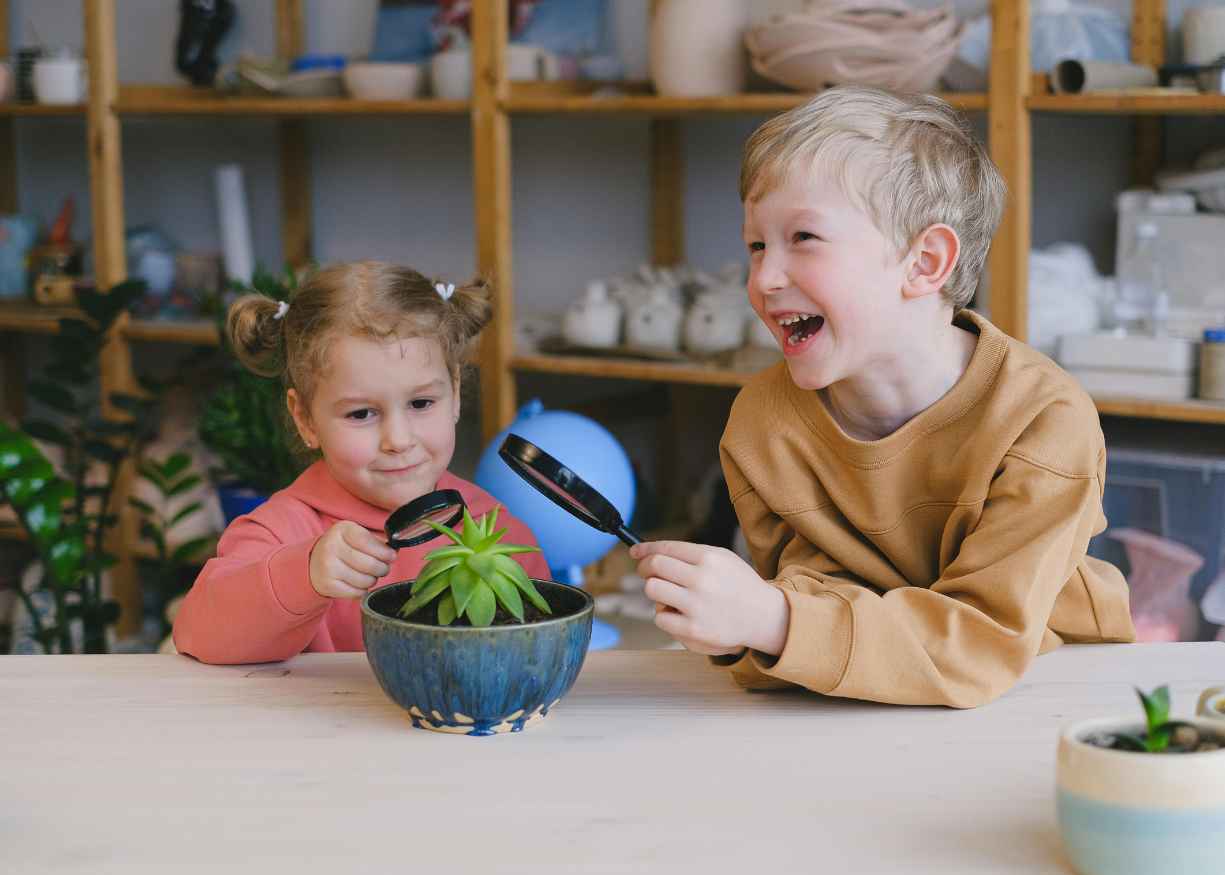
Voyagers dig into longer projects that can run for days or weeks, following a question the group really cares about. Educators help them investigate, test ideas and show what they've found in their own way.
Children also learn Bloom Skills: simple, named strategies for calming down. They practise them every day until they can use them on their own.
A day might include
- Group projects that grow from children's questions
- Drawing, painting, clay and building
- Early maths and science through real materials
- Daily practice with Bloom Skills
1 educator for every 11 children — Victoria's required ratio
Ready to move on when they can:
- Sit with a group for 10 to 15 minutes
- Follow directions with several steps
- Use a calming strategy to settle themselves
Kinder · 4–5 years
Wanderers
Ready for Prep, and for what comes after
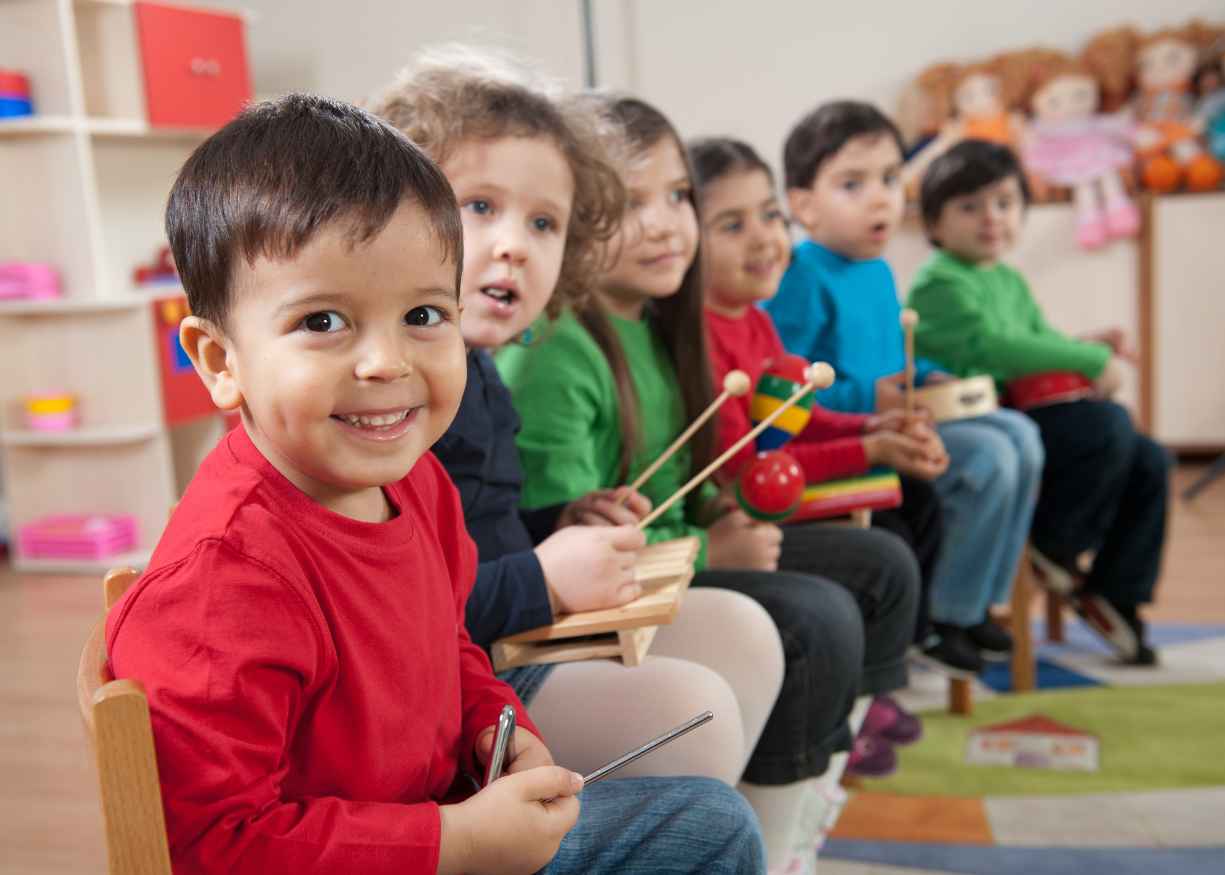
Wanderers is our kinder room, led by a qualified Early Childhood Teacher. Children lead bigger projects, take on real responsibilities, and practise the independence, focus and friendships that make starting school easier.
Because kinder is part of our long day care, your child can stay with familiar educators and friends all day. We'll talk with you about school readiness well before Prep starts.
A day might include
- Long projects children plan and lead themselves
- Early reading, writing and numbers through play
- Looking after their own belongings and routines
- Calming strategies they use without help
Led by a qualified Early Childhood Teacher, within long day care
Ready for school when they:
- Feel ready socially and emotionally
- Calm themselves without help
- Stick with a project from start to finish
Moving rooms
How we know when your child is ready
Each room has clear, everyday signs of readiness, like the ones above. When we see them, here's what happens.
We notice
Educators see the signs of readiness in your child's everyday play and routines.
We talk with you
We share what we've seen and ask what you're seeing at home, before anything changes.
Short visits first
Your child spends short times in the new room with a familiar educator.
A settled move
Your child moves when they're comfortable, and we keep you updated along the way.
In every room
How children learn at Lumora
Learning through play
Play is how young children make sense of the world. Our rooms are set up with natural materials and real tools that invite them to build, test and imagine.
Outdoors and moving
The outdoor space is a favourite part of the day. Children climb, run, balance and dig, building strong bodies and the confidence that comes with them.
Early learning, woven in
Stories, songs, counting, sorting and asking "why" are part of every day. Educators follow children's interests and step in with intentional teaching when it helps.
Seven areas we plan for, every week
- Thinking and discovery
- Voice and language
- Moving and growing
- Feelings and friendships
- Independence and life skills
- Focus and readiness
- Senses and exploration
Built into the day
The Lumora ways of supporting children
Little Roots
For babies, everyday care moments like feeds and nappy changes are treated as moments of connection and learning.
Feelings Garden
Children learn to recognise and name emotions through play, with shared words used by educators, children and families.
Bloom Skills
Simple, named calming strategies children learn, practise daily and, over time, use on their own.
Body Ready
A short movement routine before each change in the day, so children's bodies are settled and ready to focus.
Every child deserves to sit in the circle.
In every program
Extra support, inside the room
Every Lumora centre has an Inclusion Specialist who works alongside room educators every day, supporting any child who needs it, with or without a diagnosis. Our allied health partner also visits each month.
Learn about inclusion at LumoraQuestions
Questions about our programs
See the rooms for yourself
Visit your nearest centre, meet the educators in your child's room and ask anything you like.
Book a tourCall Ballarat on 03 5340 0726 or Pakenham on 0406 929 780